Selecting the Best Paint for Dunedin Properties: Interior and Exterior Strategies That Last
Dunedin, Florida offers a tremendous quality of life, yet the local environment places massive stress on residential and commercial structures. From historic bungalows near the downtown core to modern construction along the waterfront, property exteriors face relentless sun exposure, high ambient humidity, and corrosive salt air. Choosing the right paint is far more than a cosmetic choice. It is a critical maintenance decision that protects your underlying building materials from rapid deterioration.
Whether you are a homeowner preserving your family residence, a real estate investor managing short-term rentals, or a local business owner upgrading a commercial space, applying the correct coating system is paramount. The exact chemical composition, sheen level, and application method will determine if your fresh paint job lasts a decade or begins peeling after a single stormy season.
How the Gulf Coast Climate Impacts Paint Lifespans
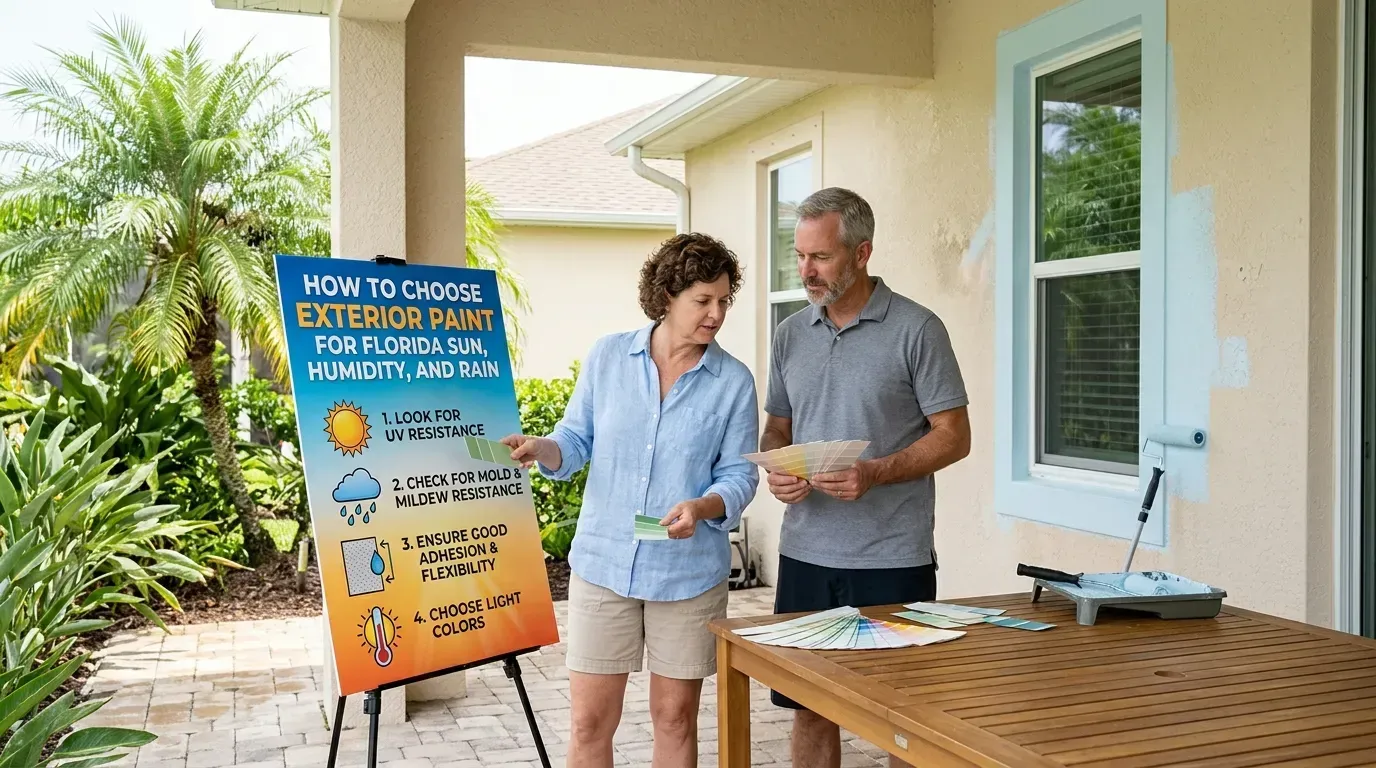
The environmental conditions in Pinellas County create a uniquely harsh testing ground for architectural coatings. High ultraviolet radiation breaks down chemical bonds in standard paint formulas. This process causes fading, chalking, and eventual structural failure of the coating. Darker colors are particularly vulnerable to UV degradation and can lose their vibrancy in just a few years if formulated with inferior pigments.
Ambient moisture presents an equally destructive challenge. Dunedin experiences high humidity levels for a majority of the year, which encourages the rapid growth of mold, mildew, and algae on exterior surfaces. Standard interior paints used in poorly ventilated bathrooms or kitchens suffer from similar fungal growth. Additionally, properties situated closer to the Gulf of Mexico face constant exposure to salt spray. Salt acts as an abrasive element and accelerates the oxidation of metal fixtures while wearing down exterior acrylic layers.
Understanding these localized threats is the first step in formulating a defense strategy for your property. Selecting highly specialized products ensures your investment withstands the demanding coastal atmosphere.
Partnering With a House Painting Service for Optimal Results
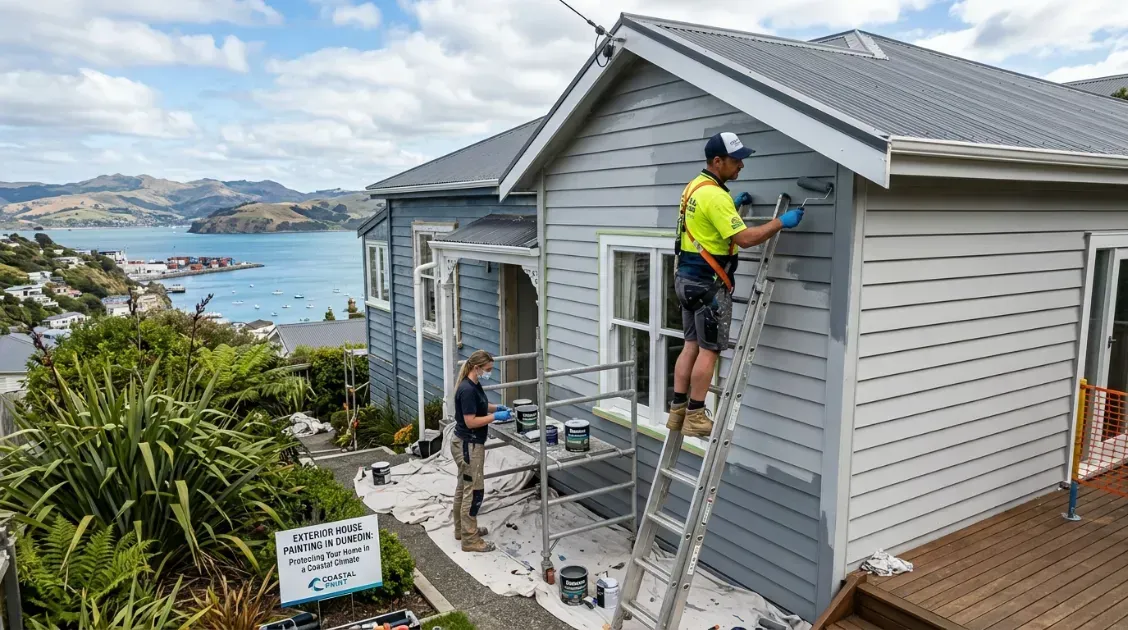
Selecting the right product is only half the battle. The application process dictates the actual performance of any coating system. Many property owners attempt do-it-yourself painting projects only to find the finish blistering or peeling shortly after completion. This failure usually stems from inadequate surface preparation and improper product matching.
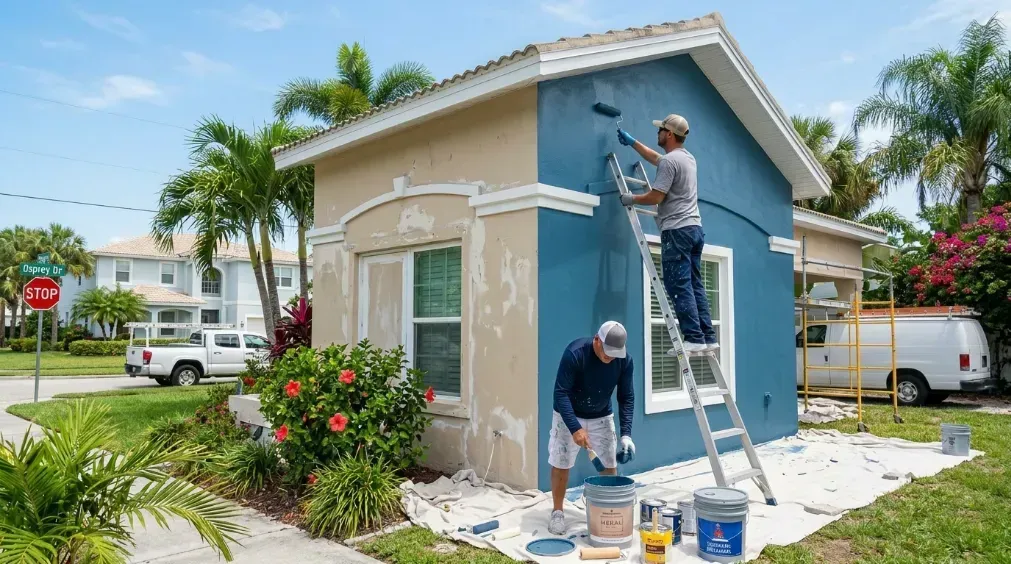
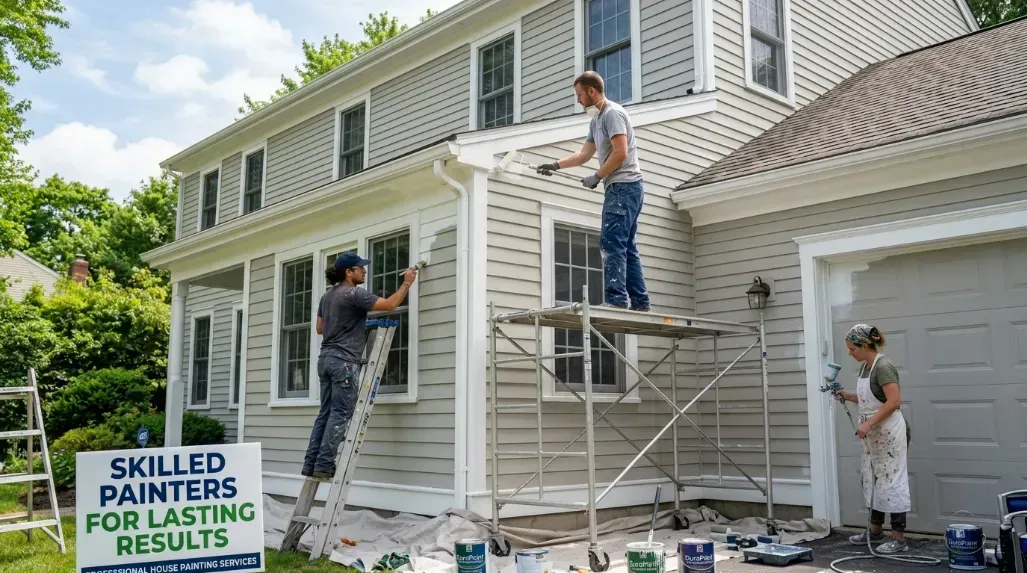
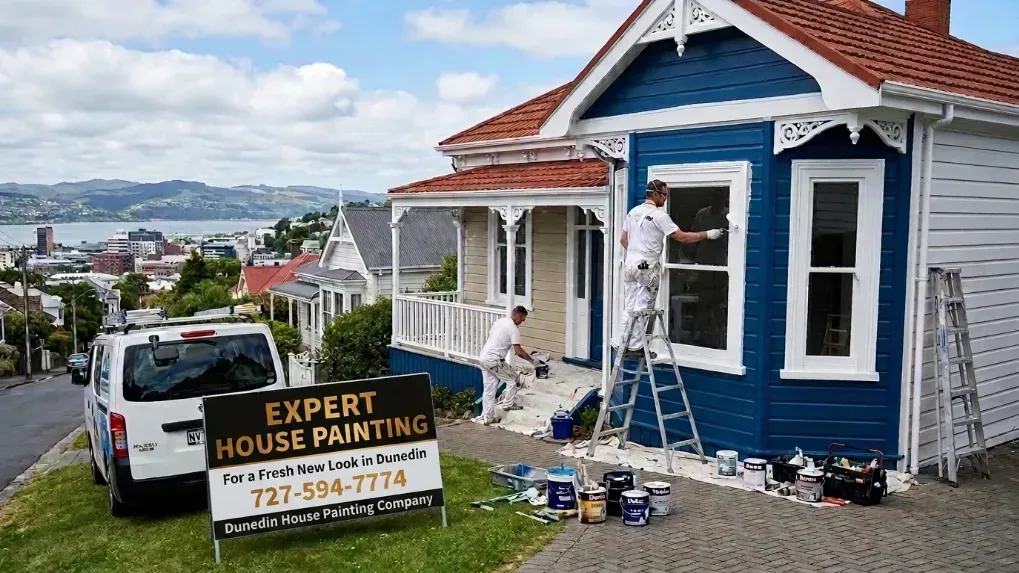
Hiring a professional house painting service ensures every technical requirement is met. Experienced professionals understand the precise moisture levels required before applying primer to masonry. They know how to identify and repair hairline cracks in stucco to prevent water intrusion. For real estate investors and Airbnb hosts, professional teams provide an invaluable advantage by executing rapid turnarounds between tenant occupancies. Time spent painting is time the property sits vacant, making efficient and flawless execution highly profitable.
Small commercial clients in Dunedin also benefit heavily from professional application. Expert teams can schedule around business hours, utilizing fast-drying and low-odor products to minimize disruption to regular operations. The expertise of a dedicated crew translates directly into a durable, visually striking finish that elevates your brand identity or property value.
Exterior Formulas Designed for Florida Homes
When shopping for exterior coatings, homeowners must prioritize flexibility, adhesion, and resistance to biological growth. The two most effective options for Dunedin properties are high-build 100% acrylic latex and elastomeric coatings.
One hundred percent acrylic paint provides exceptional color retention and resists the fading caused by severe sun exposure. Acrylic formulas are breathable, allowing trapped moisture within the walls to escape without causing the topcoat to blister. This breathability is essential for wood-sided homes and traditional masonry.
For stucco properties, elastomeric paint serves as the premier choice. Elastomeric coatings apply much thicker than standard paint and possess incredible elasticity. As a home naturally settles and the stucco expands and contracts with daily temperature fluctuations, elastomeric paint stretches to bridge tiny cracks. This creates a highly effective waterproof barrier against heavy summer downpours. Regardless of the base you choose, always verify that the product contains robust mildewcide additives to combat the constant threat of fungal growth.
Interior Selections That Balance Aesthetics and Durability
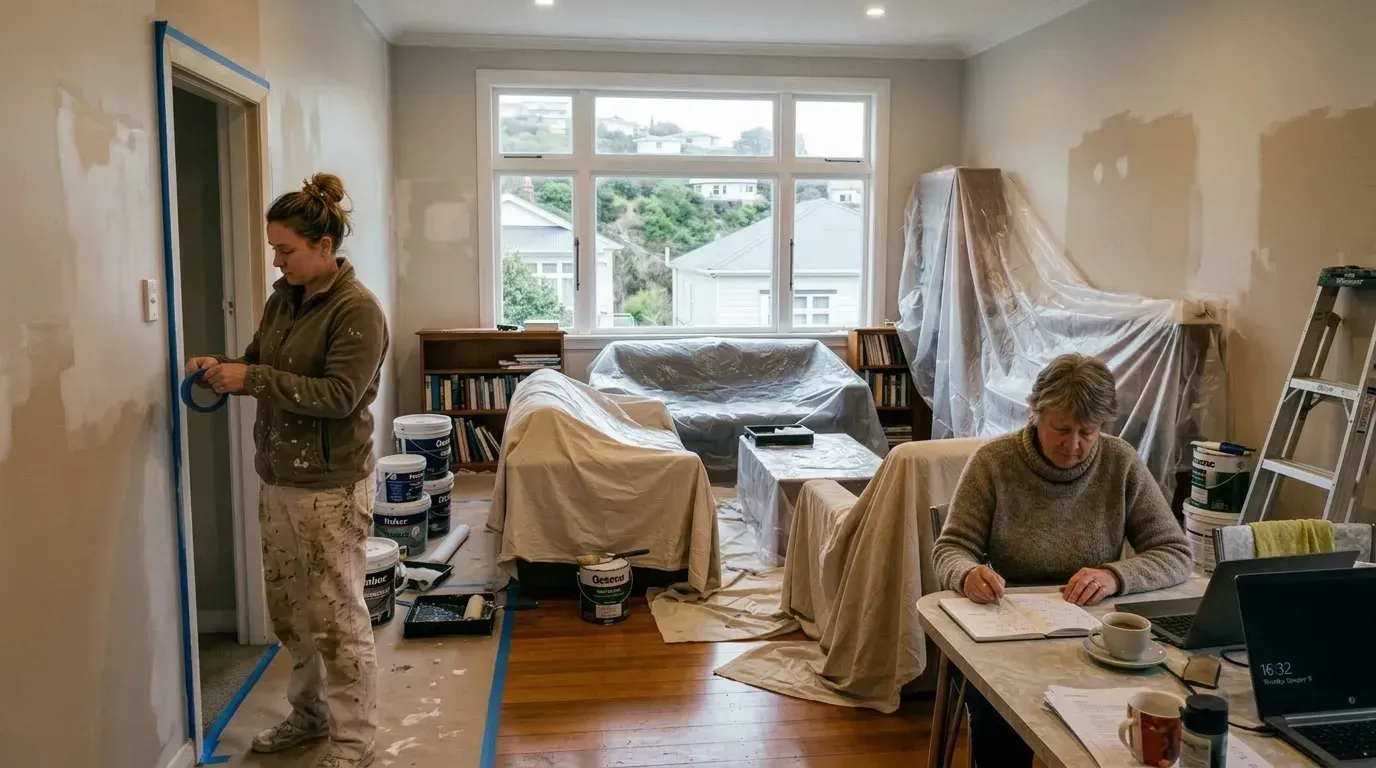
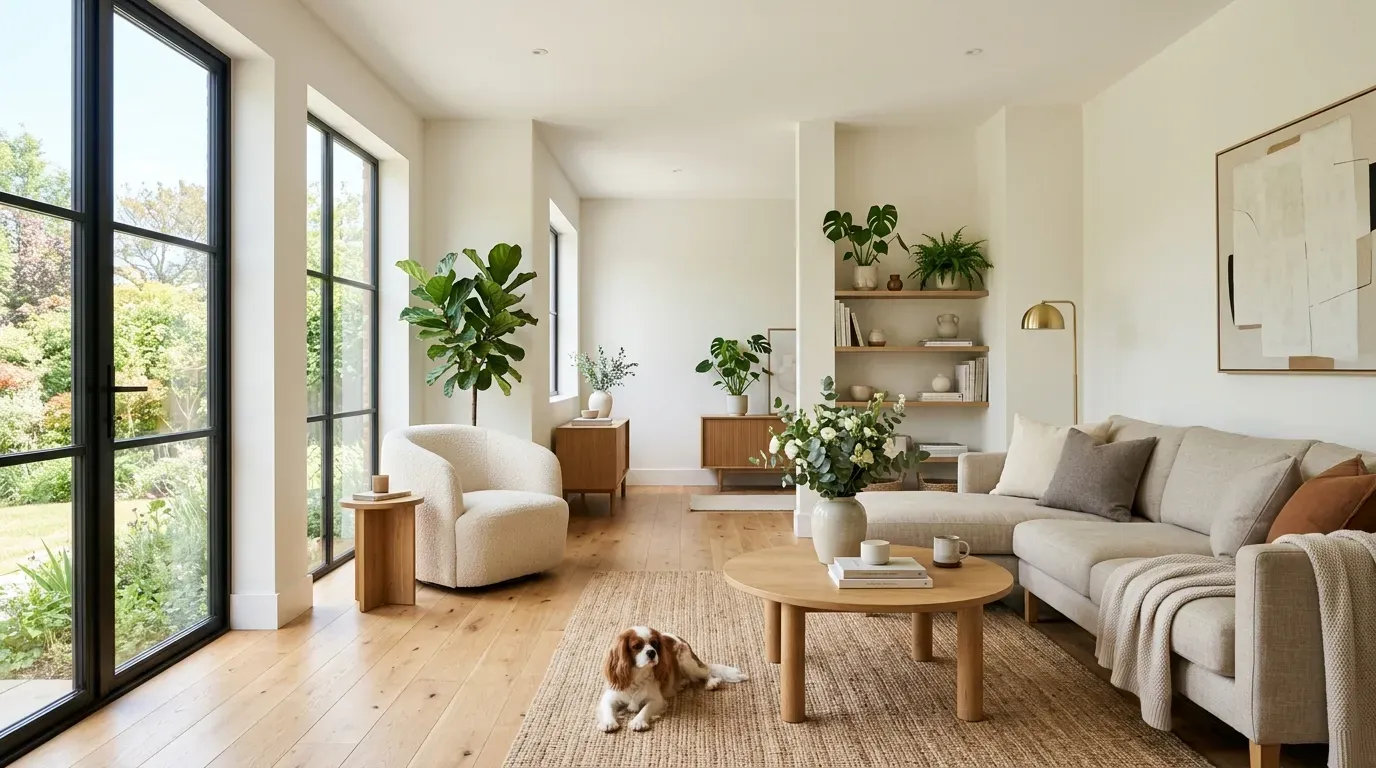
Interior painting projects demand a different set of technical specifications. While UV resistance is less of a concern indoors, washability and scuff resistance become critical factors. Middle-to-upper-income homeowners updating their living spaces typically seek elegant, flawless finishes that can withstand the daily wear and tear of family life.
For high-traffic areas like hallways, living rooms, and children’s bedrooms, advanced scuff-resistant acrylics provide incredible longevity. These proprietary formulas resist marking from shoes, furniture, and frequent touching. Rental property owners should specifically invest in high-washability eggshell or satin finishes. A durable sheen allows cleaning crews to wipe down walls between guests without removing the actual paint layer, drastically reducing the frequency of full interior repaints.
Kitchens and bathrooms require strict attention to moisture management. Even with exhaust fans running, these rooms endure heavy condensation. Premium interior acrylics fortified with anti-microbial properties prevent moisture from penetrating the drywall and stop mildew spores from taking root.
Technical Comparison of Paint Specifications
To assist in your planning process, the following data outlines the precise combinations of base formulas and sheens required for specific architectural applications. Using this framework guarantees maximum performance across all areas of your property.
| Application Area | Preferred Paint Base | Recommended Sheen | Critical Performance Feature |
|---|---|---|---|
| Exterior Stucco | Elastomeric or 100% Acrylic | Satin or Flat | Flexibility and waterproofing |
| Kitchens & Baths | Premium Acrylic Latex | Satin or Semi-Gloss | Mildewcide and moisture barrier |
| High-Traffic Hallways | Scuff-Resistant Acrylic | Eggshell | Maximum washability |
| Commercial Interiors | Low-VOC Acrylic | Matte or Eggshell | Fast drying and low odor |
| Exterior Wood Trim | Urethane Alkyd Enamel | Semi-Gloss or Gloss | Hardness and color retention |
The Role of Proper Surface Preparation
Even the most expensive, technologically advanced paint will fail if applied over a dirty or degraded surface. Preparation requires far more labor than the actual painting phase. For exterior projects in Dunedin, preparation must always begin with a thorough pressure washing combined with a fungicidal solution. This step completely removes the invisible layers of salt, dirt, and mildew that interfere with paint adhesion.
Following the wash, all loose and flaking paint must be scraped manually. Bare masonry requires a specialized alkali-resistant sealer, while raw wood demands a high-quality bonding primer. Skipping the primer phase is a costly mistake. Primer acts as an adhesive bridge between the building material and the topcoat, ensuring an even finish and preventing stains from bleeding through the final color.
Caulking is an equally vital step in the preparation sequence. Every joint around windows, doors, and fascia boards must be sealed with a premium, paintable elastomeric sealant. This stops wind-driven rain from penetrating the building envelope and compromising the structural integrity of the home.
Routine Maintenance to Extend Coating Lifespans
Once the fresh paint cures, a basic maintenance routine will significantly extend its functional lifespan. Property owners should gently wash their home exteriors at least once a year. A low-pressure wash using a garden hose and a mild detergent removes accumulated salt deposits and dirt. Removing this abrasive debris prevents premature wearing of the acrylic surface.
Inspect the exterior carefully after major weather events. Look for new hairline cracks in the stucco or areas where the caulking has begun to pull away from window frames. Addressing these minor issues immediately with spot touch-ups prevents water from seeping behind the paint layer and causing large-scale bubbling.
Vegetation control also plays a major role in exterior maintenance. Keep heavy shrubs and tree branches trimmed at least two feet away from the exterior walls. Plants rubbing against the side of the house will physically strip the paint, while dense foliage traps moisture against the siding, accelerating fungal growth.
For interior maintenance, address wall scuffs promptly using a non-abrasive sponge and warm water. Avoid using harsh chemical solvents on painted surfaces, as these will quickly dull the sheen and erode the protective clear binders within the paint. Maintaining a consistent indoor climate with proper air conditioning mitigates the humidity fluctuations that can cause interior paint layers to separate from the drywall. Taking these deliberate steps ensures your property maintains its curb appeal and structural defense for years to come.
Frequently Asked Questions
How often should a house be painted in Dunedin, Florida?
Due to the intense sun and coastal humidity, exterior paint in Dunedin generally lasts between five and seven years. Homes situated directly on the water may require repainting closer to the five-year mark due to relentless salt spray and wind exposure. High-quality elastomeric coatings can push this timeline to ten years if properly maintained.
What is the best time of year to schedule exterior painting?
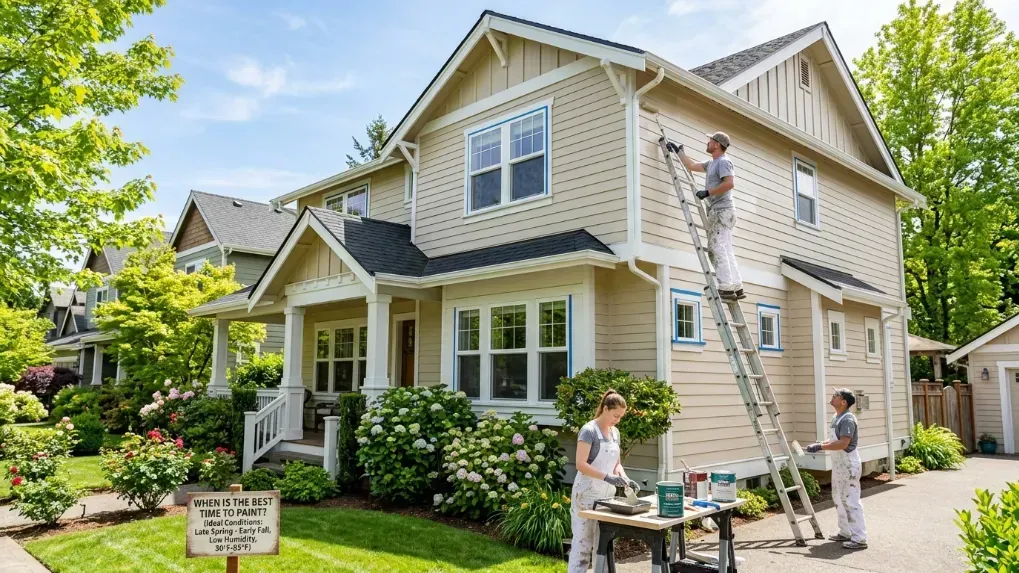
The ideal conditions for exterior painting occur during the late fall, winter, and early spring. During these months, Dunedin experiences lower humidity levels and reduced rainfall. Applying paint when humidity is low ensures proper curing times and maximum adhesion to the exterior surfaces.
Are low-VOC paints durable enough for rental properties?
Yes. Modern low-VOC (Volatile Organic Compound) and zero-VOC paints have advanced significantly in recent years. They now offer durability and washability that matches or exceeds traditional interior paints. They are highly recommended for short-term rentals and commercial spaces because they allow for immediate occupancy without lingering chemical odors.
10. Should rental property owners invest in premium paints?
Yes. Higher-quality paints last longer, resist fading, and reduce repainting frequency—saving money over time.