Seeing Cracks and Fading Paint? It's Time for an Exterior Painting Service
Key Takeaways and Insights
Florida's harsh sun, heavy rain, and salt air rapidly degrade exterior paint, making regular maintenance crucial for property preservation. By recognizing early warning signs like chalking, peeling, and hairline cracks, homeowners can prevent expensive structural damage. Hiring a professional service ensures proper surface preparation and the application of premium, climate-resistant coatings that protect your investment.
Professional exterior painting acts as a waterproof barrier, preventing costly wood rot and stucco failure.
Premium elastomeric and acrylic coatings are required to withstand Florida's intense UV rays and high humidity.
Regular exterior maintenance drastically improves curb appeal and provides a high return on investment for homeowners.
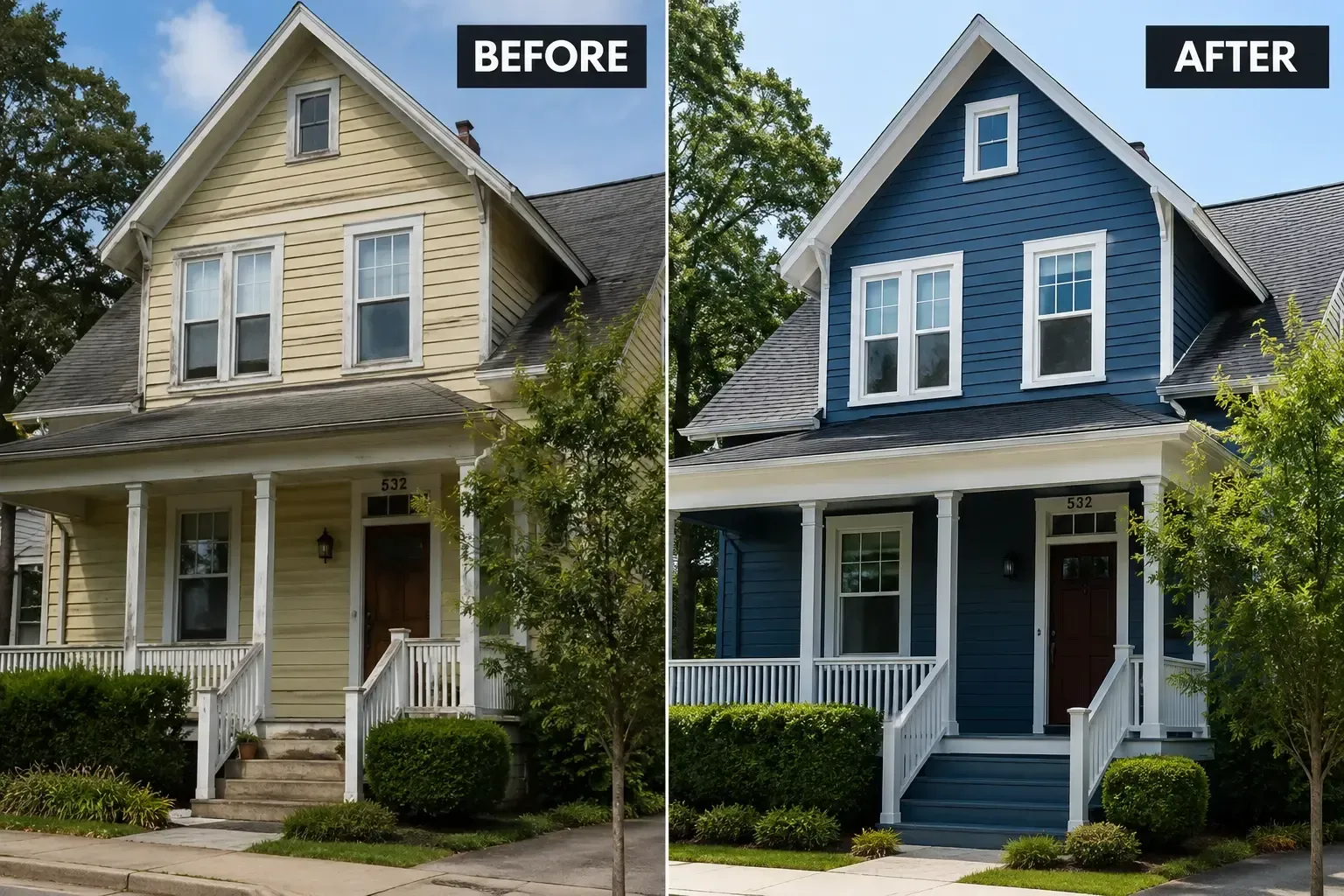
Florida sunshine provides beautiful beach days and perfect winters. It also creates brutal conditions for your property exterior. Paint does more than make your home look good. It acts as the first line of defense against the elements. When that barrier fails, moisture and heat penetrate your walls.
Ignoring early signs of paint failure leads to costly repairs. Wood rot, stucco damage, and mold growth happen quickly in humid environments. Recognizing the warning signs early saves you money. It also protects your largest financial investment.
Recognizing the Early Warning Signs
Every homeowner needs to know what paint failure looks like. You should inspect your exterior walls at least twice a year. Pay close attention to areas receiving direct sunlight. Look for the following indicators of deterioration.
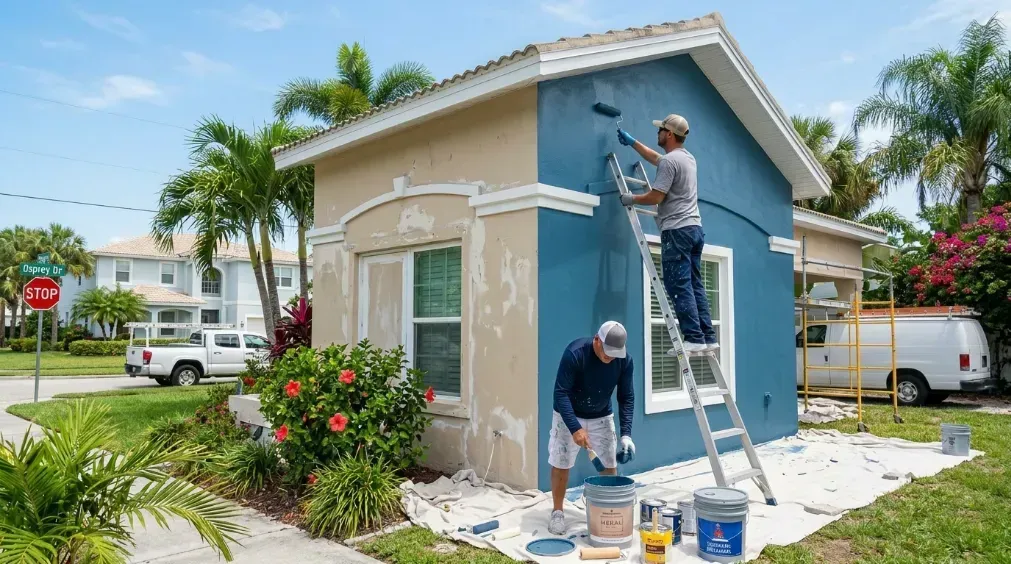
Hairline Cracks in Stucco Small cracks might seem harmless. However, they allow moisture to seep behind the paint. Once water gets inside, it expands and contracts with temperature changes. This movement causes the stucco to break down over time.
Chalking and Powdery Residue Run your hand along the side of your house. Does a white, powdery chalk come off on your palm? This means the paint binders are breaking down. The sun degrades the chemical structure of the paint. When chalking occurs, the paint can no longer protect the surface underneath.
Bubbling and Blistering Bubbles under the paint surface indicate trapped moisture. This often happens around windows, doors, and the lower sections of walls. Trapped water vapor pushes the paint away from the surface. Blistering means the protective seal is completely broken.
Fading Colors Dark colors absorb more ultraviolet light. Over time, UV rays bleach the pigments in your paint. While fading might seem like a purely cosmetic issue, it is a warning. Fading paint has lost its structural integrity. It is thinner, weaker, and ready to fail.
Why You Need a Professional House Painting Service
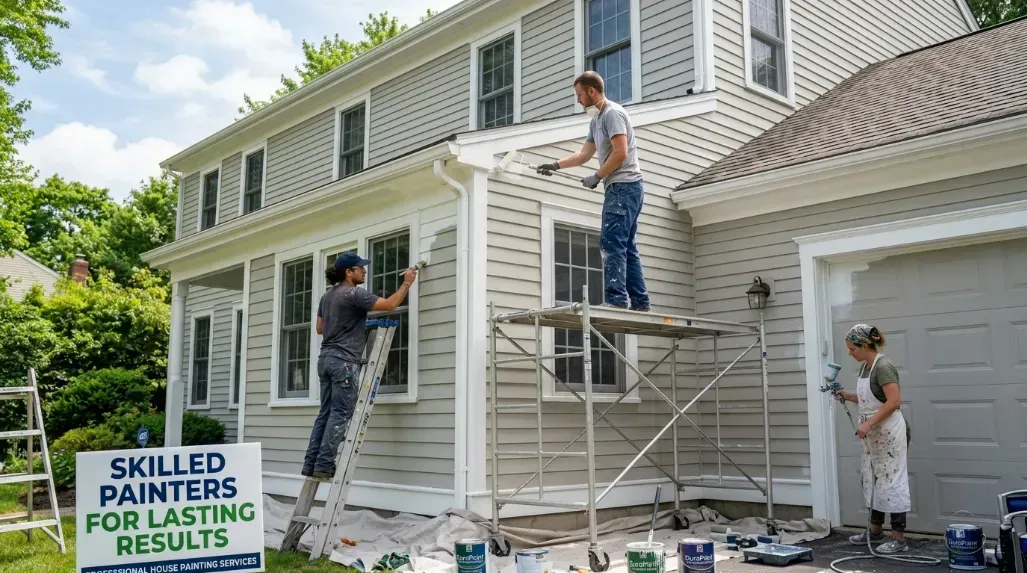
Many homeowners consider tackling exterior painting themselves. This is usually a mistake. A DIY approach costs immense time and often yields poor results. Hiring a professional house painting service guarantees the job gets done correctly.
Proper preparation is the secret to a long-lasting paint job. Professionals do not just open a can and start rolling. They spend days preparing the surface. This prep work determines how well the new paint will adhere.
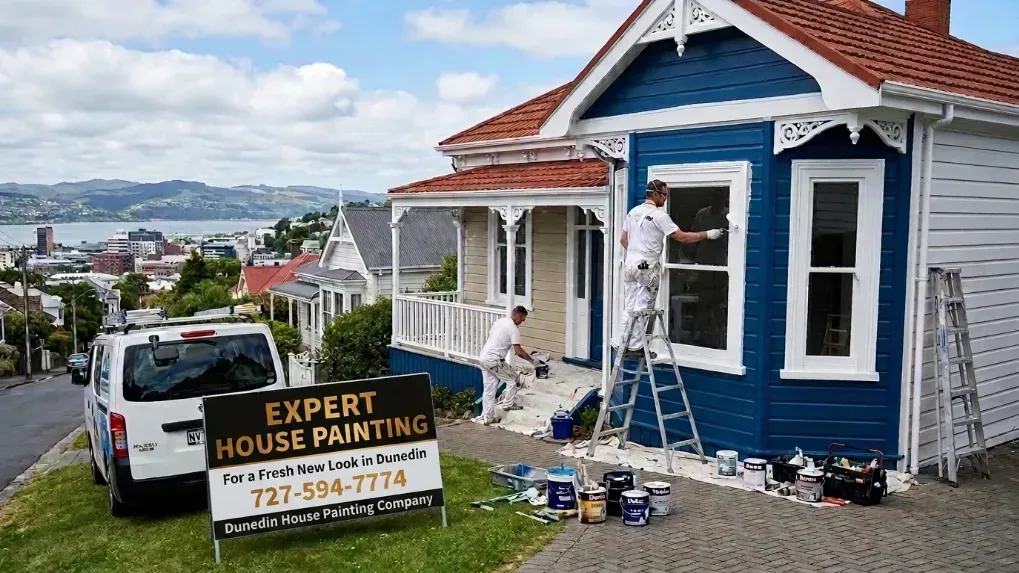
First, professionals pressure wash the entire exterior. This removes dirt, salt, and loose paint. Next, they scrape away any remaining flaking sections. They then patch cracks and repair damaged stucco. Finally, they apply a high-quality masonry sealer or primer.
Without this rigorous preparation, new paint will fail quickly. When you hire experts like Dunedin House Painting, you invest in longevity. Professional painters understand the chemistry of modern coatings. They know exactly how to prep Florida homes for maximum durability.
The Impact of Florida Weather on Exterior Paint
Homeowners in Dunedin, Clearwater, Tampa, and St. Petersburg face unique environmental challenges. The climate here is unforgiving to building materials. Understanding these elements helps you make better maintenance decisions.
Intense UV Radiation The Florida sun beats down on exterior walls relentlessly. UV rays break down the molecular bonds in exterior coatings. This leads directly to fading and chalking.
Extreme Humidity and Rain Our long, wet summers test the limits of any waterproof barrier. High humidity encourages mold and mildew growth on exterior walls. Heavy afternoon downpours batter the sides of your home. If your paint has micro-cracks, this rain will find its way inside.
Salt Air Corrosion If you live near the Gulf Coast, salt air is a constant threat. Airborne salt accelerates the deterioration of paint and metal fixtures. It eats away at protective coatings. Homes closer to the water require more frequent painting and maintenance to prevent severe structural decay.
Choosing the Right Materials for Florida Homes
Using cheap paint in Florida is a bad financial decision. The harsh climate will destroy low-grade materials in just a few years. You must select premium coatings engineered for high heat and humidity.
Different architectural surfaces require different products. Stucco, wood siding, and fiber cement all have unique needs. Below is a detailed comparison of common exterior paints used in our coastal climate.
| Paint Technology | UV Resistance | Moisture Protection | Best Florida Application |
|---|---|---|---|
| 100% Acrylic Latex | High | Good | Wood siding, trim, doors, and general masonry. |
| Elastomeric Coating | Very High | Excellent | Stucco homes with minor cracking histories. |
| Ceramic Infused | Extreme | Excellent | High-sun exposure walls and coastal properties. |
| Oil-Based Paint | Low (Fades) | Very Good | Metal railings and high-traffic exterior doors. |
Elastomeric coatings are highly recommended for Florida stucco. This material goes on much thicker than standard acrylic paint. It can stretch and bridge small gaps. When the house settles or expands in the heat, the elastomeric coating moves with it. This prevents new cracks from forming.
The True Cost of Delaying Maintenance
Waiting too long to paint is expensive. The longer you ignore fading and peeling, the worse the underlying damage becomes.
Water intrusion rots wood framing. It rusts metal corner beads in stucco walls. It ruins interior drywall. Fixing these structural issues costs thousands of dollars. In contrast, preventative painting is highly cost-effective. It stops the damage before it starts.
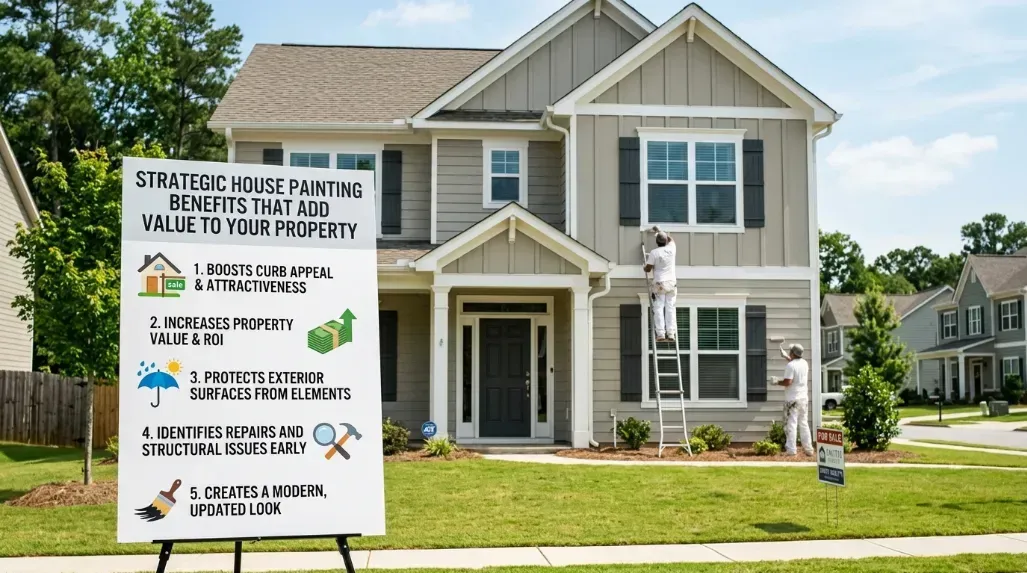
Furthermore, a neglected exterior plummets your property value. Real estate investors and potential buyers judge a home by its exterior. Faded, peeling paint suggests that the owner has neglected other maintenance too. A fresh, modern exterior color increases curb appeal instantly. It provides one of the highest returns on investment for home improvements.
Beyond the Exterior
Protecting your exterior is crucial. However, the inside of your home also deserves attention. A complete property refresh often involves updating multiple spaces.
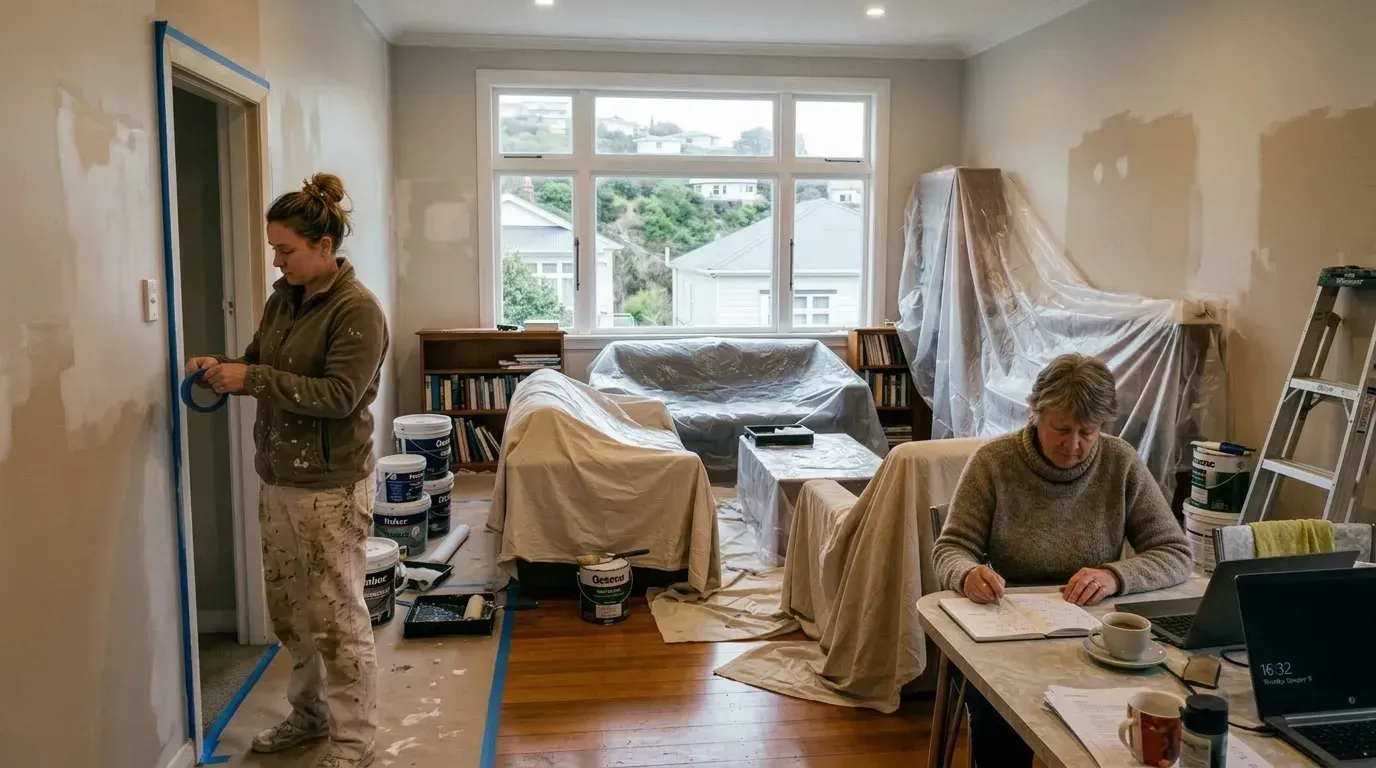
Faded living rooms and scuffed hallways make a house feel tired. Modernizing your indoor spaces is simple with a professional interior painting project. Fresh indoor colors improve lighting and create a welcoming environment.
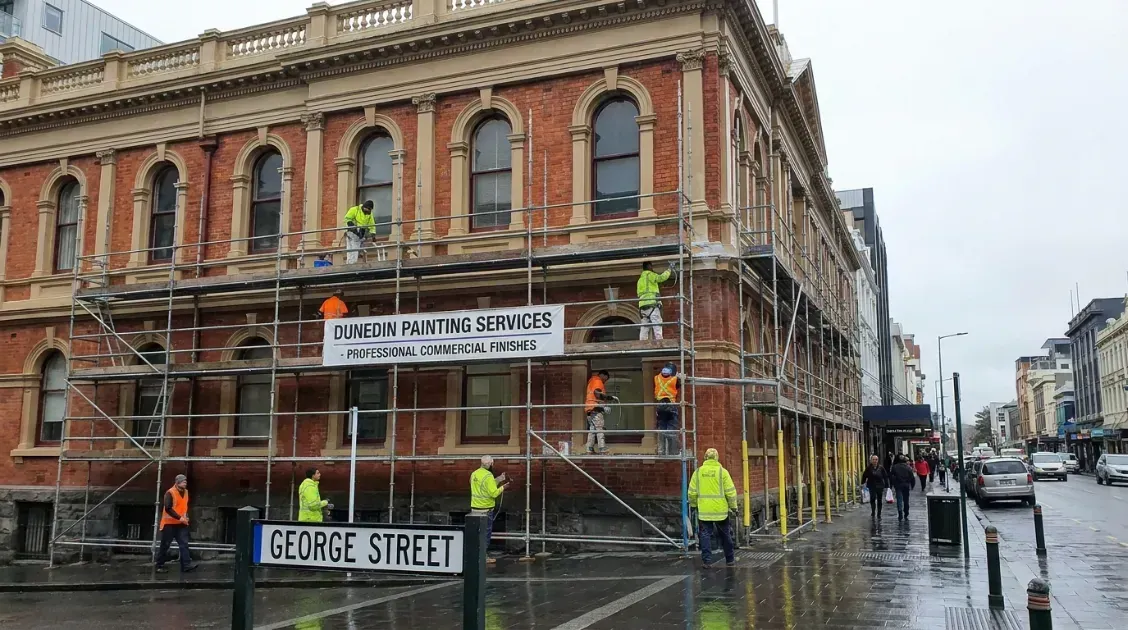
Likewise, business owners must maintain their storefronts. A peeling commercial building drives customers away. Upgrading your business facade through dedicated commercial painting improves brand perception. Clean, well-maintained properties attract higher-quality tenants and customers.
The Process of Renewing Your Home
Getting your exterior painted should be a stress-free experience. The process begins with a thorough inspection. A professional estimator will walk around your property. They will identify rot, cracks, and areas needing special primer.
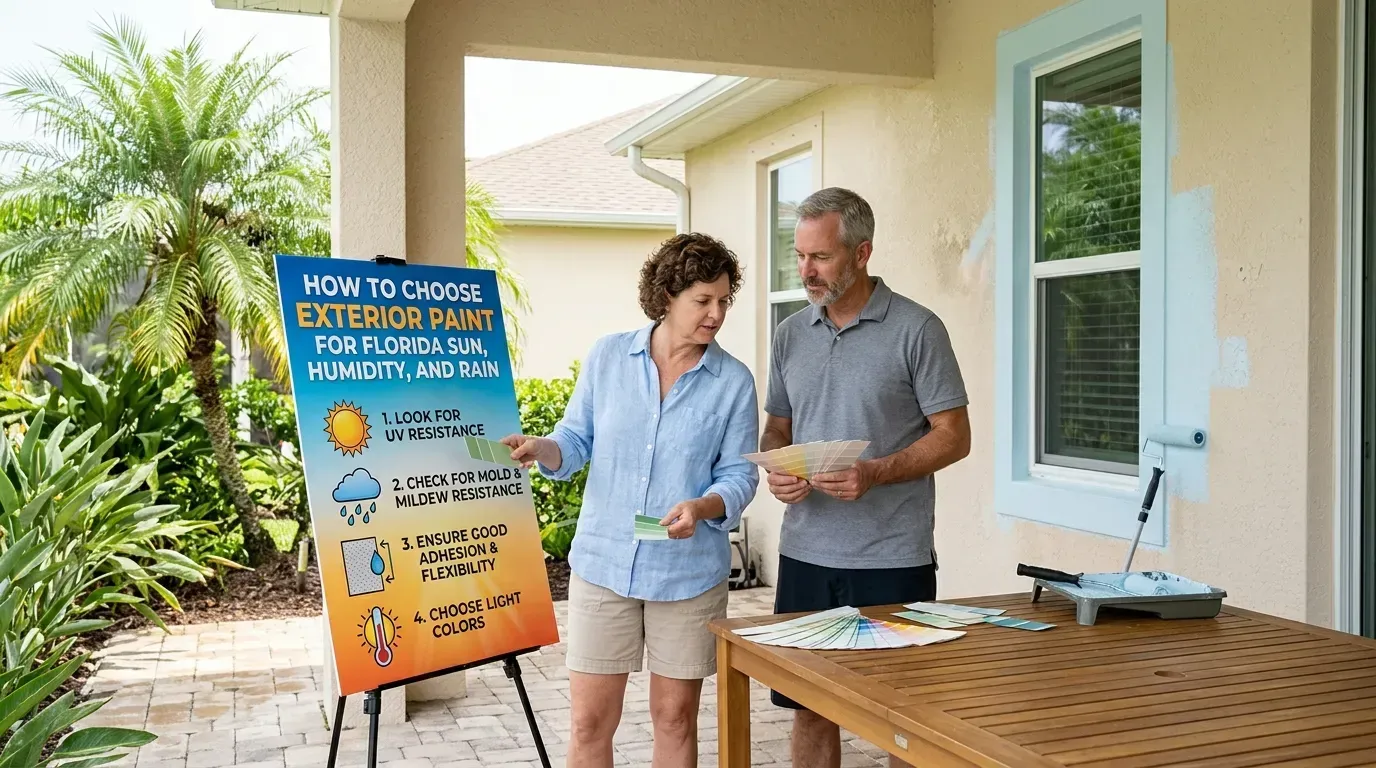
Next, you will choose your colors. Modern homeowners often prefer light, reflective colors for Florida exteriors. Whites, light grays, and soft blues reflect the sun. This keeps the exterior walls cooler.
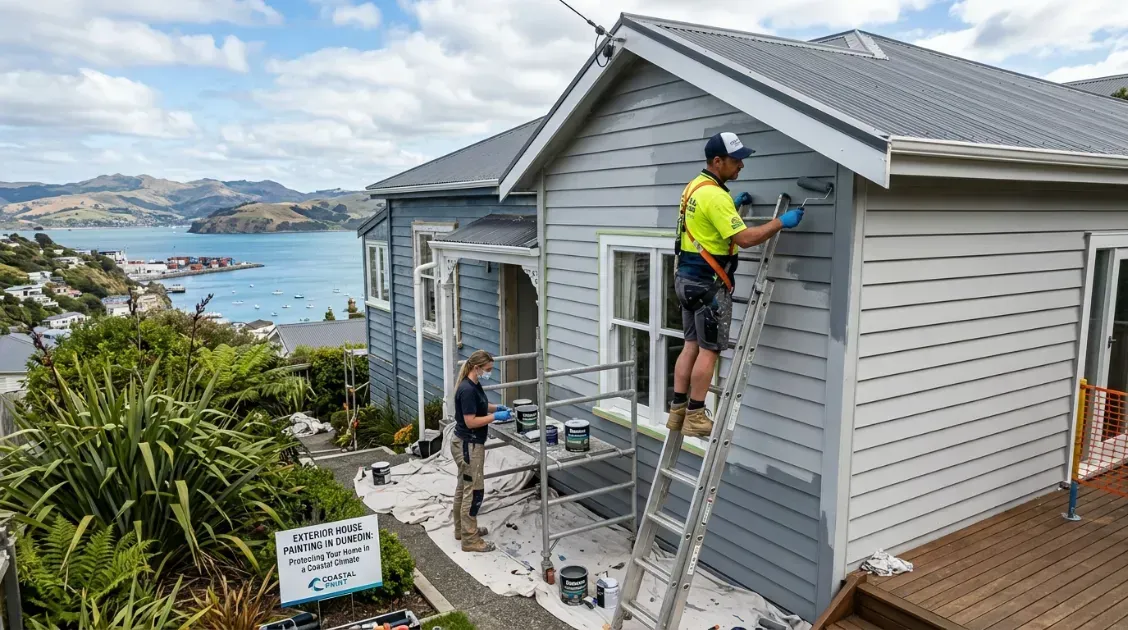
Once materials are selected, the crew schedules the prep work. They will protect your landscaping, windows, and outdoor furniture. After the extensive preparation, the application begins. Most high-quality exterior painting jobs require a tinted primer and two topcoats.
Finally, a final walkthrough ensures every detail is perfect. The masking tape is removed. The site is cleaned. You are left with a beautiful, protected home.
Protect Your Investment Today
Your home is your sanctuary. It deserves the best protection available. Do not wait until water is leaking into your living room to take action. Walk outside today. Inspect your walls for cracks, chalking, and faded spots.
If you see the signs of wear, act promptly. Professional painters have the tools, the premium materials, and the exact knowledge required for the Florida climate. Protect your stucco, enhance your curb appeal, and secure your property value.
For local homeowners in Dunedin, FL, expert help is just a phone call away. Reach out to the professionals to schedule a comprehensive exterior evaluation.
Frequently Asked Questions
How often should a house exterior be painted in Florida?
Most Florida homes need exterior painting every 5 to 7 years. Properties exposed to heavy salt air or intense direct sunlight may require repainting closer to the 5-year mark. High-quality elastomeric coatings can push this timeline to 8 or 9 years.
What is the best time of year to paint a house in Florida?
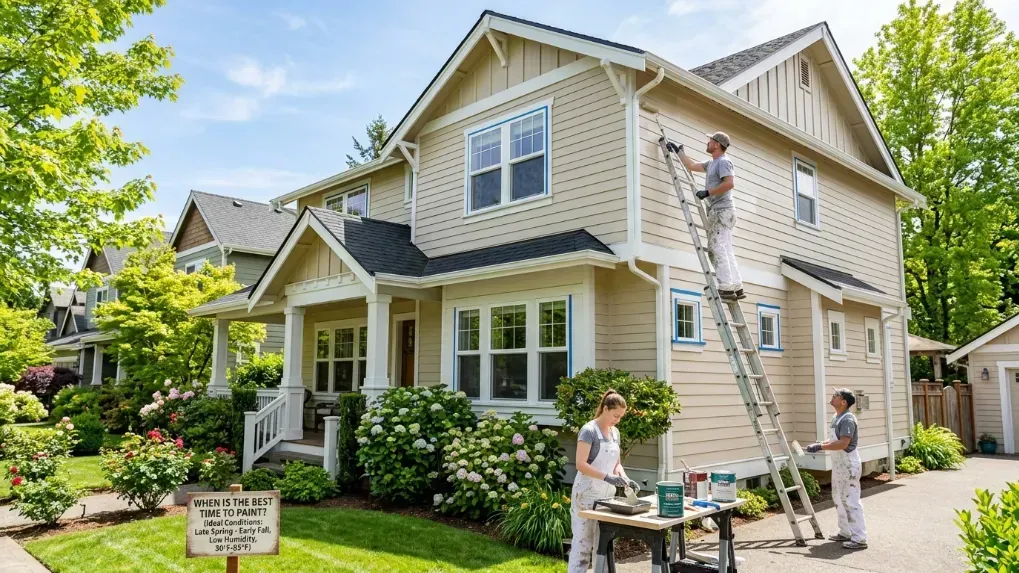
The dry season is the optimal time for exterior painting. Late fall, winter, and early spring provide lower humidity and reduced rain chances. This allows the paint to cure properly and bond tightly to the surface.
How long does an exterior painting project usually take?
An average-sized home typically takes 3 to 5 days to complete. The timeline depends heavily on the amount of prep work required. Extensive stucco repairs or wood rot replacement will extend the project duration