Why Exterior Painting Starts With Pressure Washing: The Hidden Key to Long-Lasting Results
Imagine investing time, effort, and money into a beautiful new exterior paint job for your home, only to see it start to chip, peel, and blister within a year or two. It’s a frustrating scenario, but one that happens all too often. The culprit is rarely the quality of the paint or the skill of the painter. More often than not, the failure originates from a single, overlooked step: proper surface preparation. And the cornerstone of that preparation is, without a doubt, professional pressure washing.
Many homeowners see pressure washing as an unnecessary expense or a simple rinse-off they can do with a garden hose. However, here at Dunedin House Painting Company, we know from decades of experience that it’s the absolute, non-negotiable foundation for a durable and stunning finish. Think of it this way: you would never hang a priceless piece of art on a dusty, crumbling wall. Why would you apply a protective, beautiful coat of paint to a surface that’s actively working against it? In this comprehensive guide, we'll dive deep into why pressure washing isn't just a preliminary step—it's the hidden key to unlocking long-lasting results for your home's exterior.
The Unseen Enemy: What's Really on Your Siding?
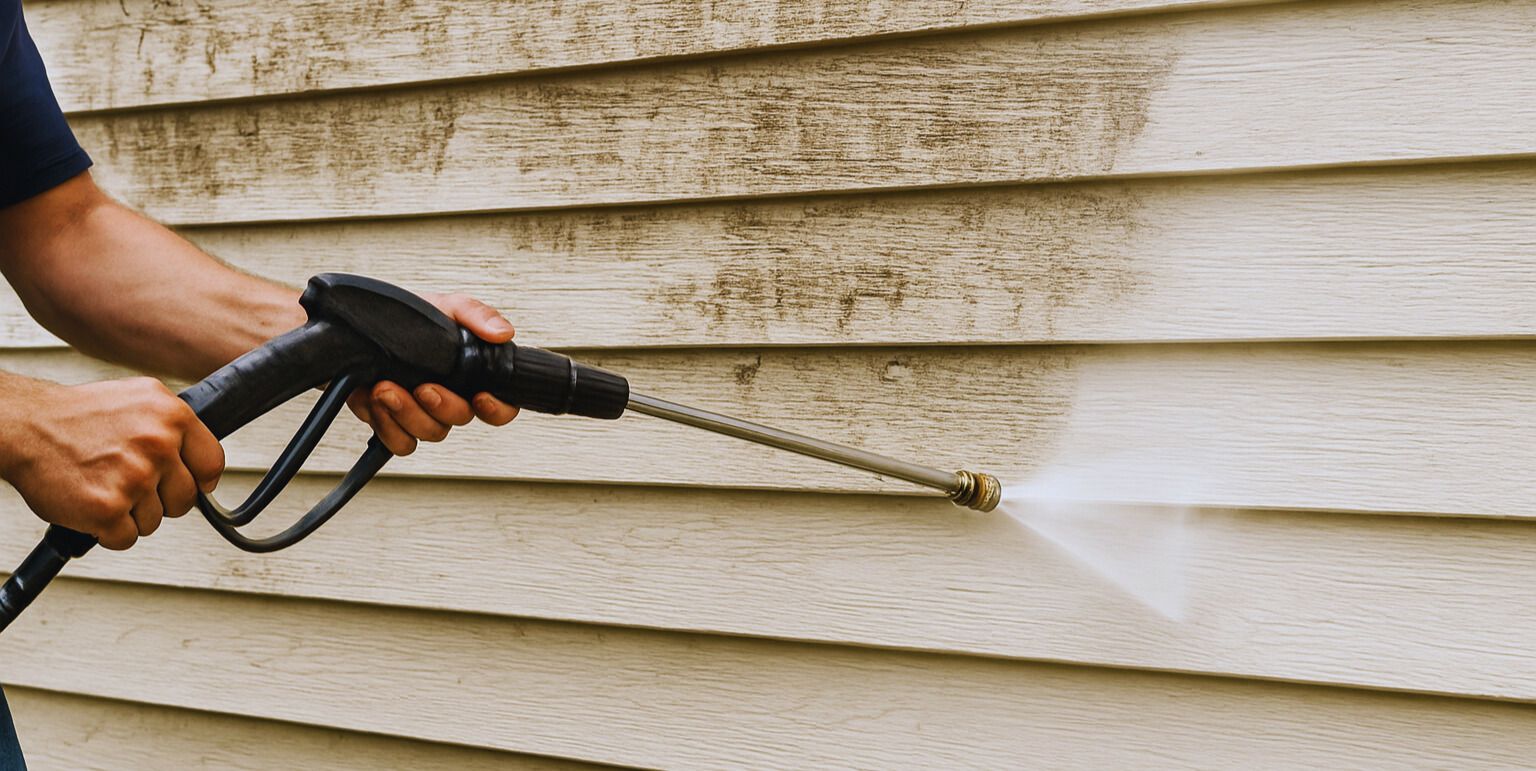
Your home's exterior is constantly exposed to the elements. Over time, it accumulates a microscopic layer of contaminants that are invisible to the naked eye but disastrous for paint adhesion. Skipping the pressure washing step is like painting over a layer of sand, dust, and grease.
A Rogue's Gallery of Contaminants:
- Dirt, Dust, and Grime: These are the most common culprits. Wind, rain, and nearby construction can leave a fine layer of particulate matter on your siding. Paint applied over this layer bonds to the dirt, not your house. When the dirt shifts or washes away, it takes your new paint with it.
- Chalking: Older paint, especially oil-based varieties, degrades under UV exposure. It breaks down into a fine, chalky powder. You can test for this by running your hand over the surface. If you see a powdery residue on your fingers, you have chalking. New paint cannot stick to this unstable, powdery surface.
- Mold and Mildew: In shaded, damp areas, mold and mildew can thrive. These living organisms don't just look unsightly; they eat away at the paint and the surface beneath. Painting over them is like putting a band-aid on an infection—it traps the problem, allowing it to grow and push the new paint off from underneath.
- Pollen and Cobwebs: Seasonal allergens and spider activity contribute to the build-up. While seemingly harmless, they create a barrier that prevents a clean bond between the primer/paint and the siding.
- Pollutants and Acid Rain: In urban or industrial areas, airborne pollutants can settle on your home, creating a chemical film that can interfere with paint adhesion and longevity.
A thorough pressure wash is the only effective way to remove this entire cocktail of contaminants, creating a pristine canvas that is chemically and physically ready to accept a new coat of paint.
The Science of Adhesion: Why a Clean Surface is Everything
To understand why pressure washing is so critical, we need to touch on the science of how paint works. A successful paint job relies on creating a powerful molecular bond between the paint and the substrate (the surface of your house). This bond can only form if the paint makes direct, uninterrupted contact with the siding.
When a layer of grime, chalk, or mildew is present, the paint adheres to that unstable layer instead of the house itself. It’s a weak, superficial bond destined for failure. Temperature fluctuations cause the house and the paint to expand and contract. Moisture gets trapped. The result? Bubbling, blistering, and peeling paint that reveals the dirty surface underneath.
Proper pressure washing followed by adequate drying time ensures that the primer and paint can penetrate the microscopic pores of the surface, creating a tenacious grip that will withstand the elements for years to come. This is a fundamental part of our process for all our exterior painting services.
Pressure Washing vs. Other Cleaning Methods: A Clear Winner
Some might argue that a good scrub with a brush or a powerful spray from a garden hose is sufficient. While any cleaning is better than none, these methods simply can't compete with the effectiveness of a pressure washer. Let's compare.
| Method | Effectiveness | Time & Effort | Risks |
|---|---|---|---|
| Garden Hose & Brush | Low. Removes loose surface dirt but leaves behind embedded grime, chalking, and mildew spores. | Extremely High. Manually scrubbing an entire house is a massive, labor-intensive undertaking. | Low risk of damage, but high risk of an incomplete clean leading to paint failure. |
| DIY Pressure Washing | Medium to High. Can be effective if the right equipment, technique, and detergents are used. | Moderate. Faster than scrubbing, but requires setup, careful operation, and cleanup. | High. Risk of damaging siding, breaking windows, forcing water into walls, and personal injury if not done correctly. |
| Professional Pressure Washing | Very High. Professionals use commercial-grade equipment, calibrated pressure settings, and appropriate cleaning solutions to remove all contaminants safely. | Low (for the homeowner). The job is completed efficiently and correctly by an experienced team. | Very Low. Professionals are trained and insured, ensuring the job is done without damaging your property. |
As the table shows, professional pressure washing offers the highest level of effectiveness with the lowest risk, ensuring the job is done right the first time.
The Professional Process: More Than Just Pointing and Spraying
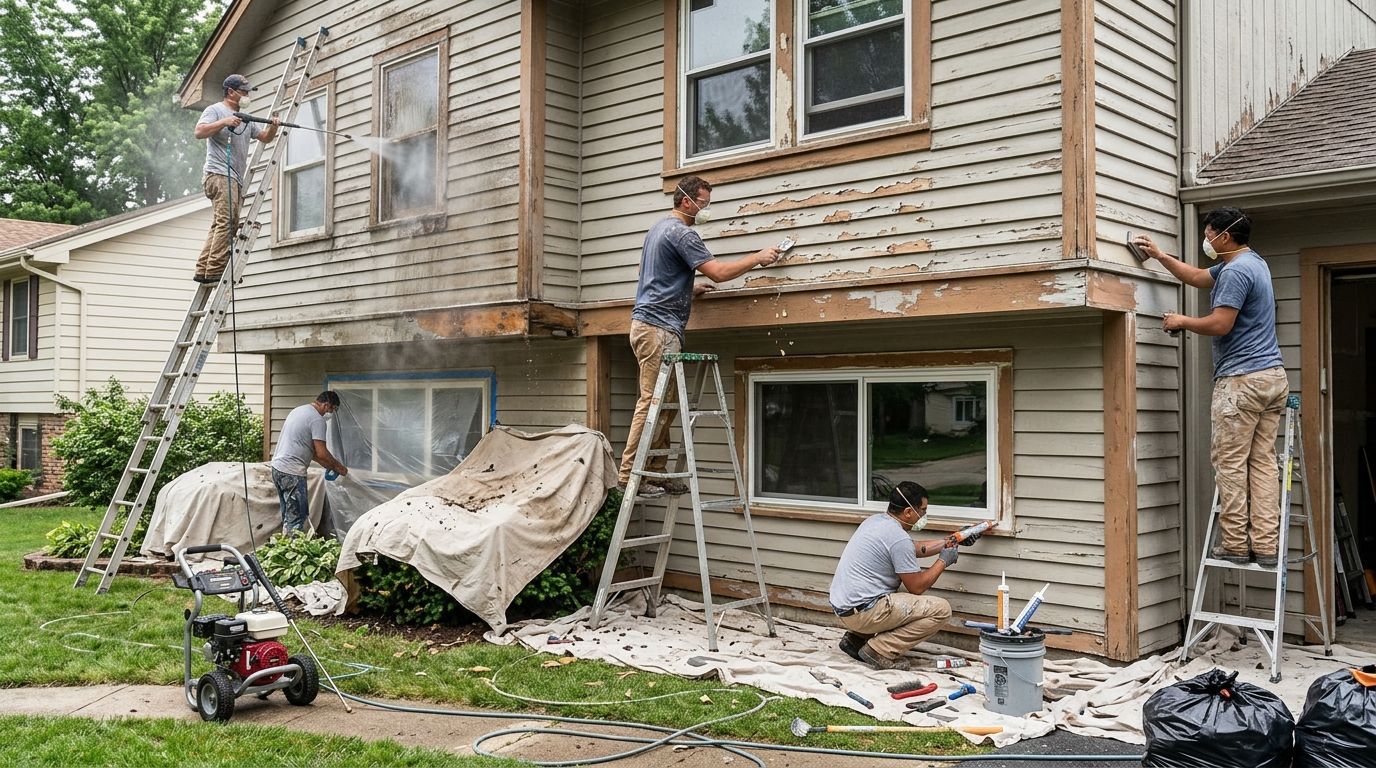
At Dunedin House Painting Company, our approach to surface preparation is meticulous. A professional pressure washing job involves several key steps that go beyond what most DIYers can accomplish.
- Detailed Inspection: We first inspect the exterior to identify problem areas, like heavy mildew growth or peeling paint, and to note delicate surfaces that require lower pressure.
- Property Protection: We protect surrounding plants, light fixtures, and electrical outlets from water and cleaning solutions.
- Applying the Right Cleaner: Depending on the type of siding and the nature of the grime, we may apply a biodegradable, eco-friendly cleaning solution that helps to break down dirt and kill mold and mildew spores.
- Calibrated Pressure and Technique: This is where expertise truly matters. We use the correct nozzle and pressure setting for each surface type—whether it's wood, vinyl, stucco, or brick. Using too much pressure can splinter wood, crack vinyl, and etch brick. We wash from the bottom up and rinse from the top down to prevent streaking and ensure a thorough clean.
- Crucial Drying Time: This is a step that cannot be rushed. After washing, the house must be allowed to dry completely. Painting over a damp surface traps moisture, which is a leading cause of blistering and peeling. Depending on the climate and siding material, this can take anywhere from 24 to 72 hours. We use moisture meters to confirm the surface is ready before a single drop of primer is applied.
The Long-Term Payoff: An Investment in Durability and Value
Viewing pressure washing as an integral part of your painting project is an investment that pays significant dividends.
- Increased Paint Longevity: A paint job on a properly cleaned surface can last 7-10 years or even longer, while one on a dirty surface may fail in as little as 1-2 years. The cost of pressure washing is minimal compared to the cost of repainting your entire home prematurely.
- Enhanced Curb Appeal: A clean, freshly painted home significantly boosts its curb appeal. The colors appear richer and more vibrant when applied to a clean base.
- Protects Your Home's Structure: By removing mold, mildew, and algae, you are not just preparing for paint; you are protecting your home's siding from decay and rot.
- Increases Property Value: A well-maintained and beautifully painted exterior is a major factor in a home's market value. It signals to potential buyers that the home has been cared for properly.
Conclusion: Start Your Paint Job Right
The secret to a flawless, long-lasting exterior paint job isn't a secret at all—it's a commitment to a meticulous process that begins with a clean slate. Pressure washing is the essential first act that removes the invisible barriers to adhesion, ensuring your investment is protected for years to come. It's the difference between a paint job that merely covers your home and one that truly protects and beautifies it.
Don't let a simple oversight compromise the beauty and integrity of your home. If you're ready to see the difference that a professional approach makes, from the foundational wash to the final brushstroke, we're here to help. Contact Dunedin House Painting Company today for a consultation and let's give your home the durable, stunning finish it deserves.
Frequently Asked Questions
Can't I just use a garden hose to wash my house before painting?
Unfortunately, a garden hose lacks the power to remove embedded grime, chalking paint, and stubborn mildew. While it can rinse away loose dirt and cobwebs, it leaves behind the microscopic contaminants that are the primary cause of paint adhesion failure. Professional pressure washing is necessary for a truly clean surface.
How long do I need to wait for the house to dry after pressure washing before painting?
Drying time is critical. Generally, you should wait at least 24-48 hours for the surface to dry completely. In humid conditions or for porous surfaces like wood, it may take 72 hours or more. Professionals often use moisture meters to get an exact reading and ensure the surface is perfectly dry before applying primer.
Is it possible to damage my house with a pressure washer?
Yes, absolutely. Using a pressure setting that is too high or the wrong nozzle type can splinter wood siding, crack vinyl, shatter windows, and force water behind the siding, leading to moisture issues and mold. This is a primary reason why hiring an experienced professional is highly recommended.
What happens if I paint over a dirty surface?
Painting over a dirty surface guarantees premature paint failure. The new paint will bond to the layer of dirt, dust, or chalk—not the house itself. As that unstable layer shifts or degrades, the new paint will begin to bubble, crack, peel, and flake off, often within just a year or two, wasting your entire investment.